

Calculator
Brokerage Calculator
Use our Brokerage Calculator to estimate brokerage, taxes, and other trading charges across intraday, delivery, and F&O trades, helping you understand your transaction costs better.
₹
₹
₹
Core Features
Brokerage Calculator
How a Brokerage Calculator Helps You Estimate Your Trading Costs
What Is a Brokerage Calculator
A stock market brokerage calculator takes the buy price, sell price, quantity, and trading segment, whether equity delivery, intraday, futures & options. It breaks the total cost into its parts: brokerage charged by the broker, Securities Transaction Tax levied by the government, exchange charges from NSE or BSE, SEBI turnover fees, 18% GST on the intermediary charges, stamp duty from the state government on the buy side, and depository charges on delivery trades. STT and stamp duty are calculated as a share of turnover and remain outside the GST calculation, since they are taxes, not service charges.How STT Varies by Segment
An intraday calculator and a delivery based calculator apply different STT rates, since the structure changes with how a trade settles. Equity delivery attracts 0.1% STT on both the buy and sell side. Equity intraday attracts 0.025%, on the sell side only. From April 1, 2026, equity futures attract 0.05% STT on the sell side, while options attract 0.15% STT on the sale of the option, calculated on the option premium. This is why an intraday brokerage calculator usually shows a lower total cost than a delivery calculator for the same turnover, even though intraday trading carries its own risks.Understanding Option and Futures Charges
An option brokerage calculator needs slightly different inputs than equity, since options are usually charged a flat brokerage per order rather than a percentage of turnover. Most discount brokers apply a flat fee, often around ₹20 per order, on both futures and options, but the actual brokerage depends on the broker and plan. The other charges, exchange fees, SEBI charges, GST, and STT, still apply and can noticeably affect the breakeven point, especially for options bought at a low premium.Why Brokerage Alone Does Not Tell the Full Story
Zero brokerage sounds like zero cost, and discount brokers promote that idea for equity delivery. It is not accurate. STT, exchange charges, and stamp duty still apply on every delivery trade. For example, on a ₹1 lakh equity delivery trade STT alone is ₹100, while stamp duty is 0.015% or ₹15, before brokerage and other applicable charges. If the shares are later sold for ₹1 lakh, another ₹100 of STT applies on the sale. Therefore, total charges cannot be stated as a fixed ₹115 to ₹130 because they depend on the broker, transaction value, and whether the calculation covers one leg or both legs of the trade.Comparing Brokers Using the Calculator
Brokerage structures differ across platforms. Running the same trade through each broker's calculator is the most reliable way to compare actual cost, rather than trusting the advertised headline rate. A useful metric for active traders is the charge to turnover ratio:lower costs generally improve trading efficiency, but there is no universal threshold. The ratio should be evaluated based on the trading segment, order size, strategy, and the broker's complete fee structure.Loading blogs...
Religare Dynami
Trade Anytime,
Anywhere
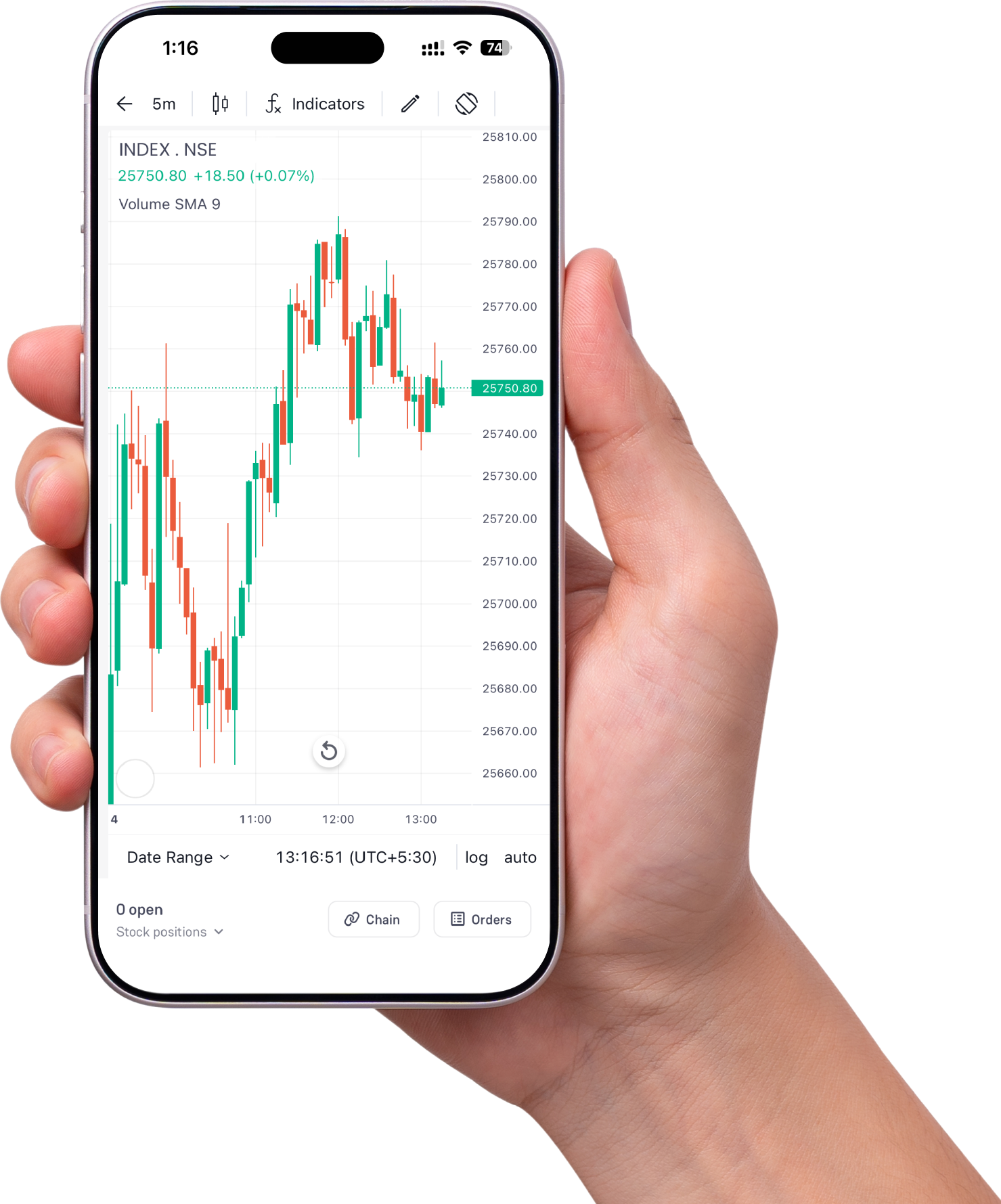
Experience India's seamless trading app with advanced features, intuitive design, and lightning-fast execution.
Order Executed
0.23 seconds
Unified Portfolio
All Assets, One App
Instant Market Alerts
Live Research, Zero Delay
Seamless Security
Biometric Login for Safe Trading
Actionable Ideas
Pre-built Options Strategies
3.9out of 5 stars
Based on 27.4K reviews
1M+
Downloads
Order Executed
0.23 seconds