

Futures Exchanges
A futures exchange is a marketplace where standardized contracts for the future delivery of assets are traded. These contracts, known as futures contracts, obligate the buyer to purchase and the seller to deliver a specific asset at a predetermined price and date in the future. Futures exchanges provide a regulated platform for trading futures contracts, offering price transparency and risk management tools.
How Futures Exchanges Work
Futures exchanges operate with standardized contracts, specifying details like the quantity and quality of the underlying asset, delivery date, and trading units. This standardization facilitates trading and ensures market liquidity. The exchange acts as a central counterparty, guaranteeing the performance of all contracts, reducing counterparty risk. Trading occurs electronically, although open outcry systems still exist in some places but are largely phased out. Prices fluctuate based on supply and demand.
Benefits of Futures Exchanges
Futures exchanges offer several benefits. They provide price discovery, allowing market participants to gauge future price expectations. They also offer hedging opportunities, enabling businesses to protect themselves against price fluctuations. For example, a farmer can sell futures contracts for their crops, locking in a price and mitigating the risk of price declines before harvest. Speculators can also participate, potentially profiting from correctly predicting price movements. The standardized contracts and central counterparty clearing enhance market transparency and reduce risk.
Types of Futures Contracts
A wide range of assets are traded on futures exchanges, including agricultural commodities (like grains and livestock), energy products (like oil and natural gas), metals (like gold and silver), financial instruments (like stock indices and bonds), and currencies. Each futures contract specifies the underlying asset and the terms of delivery.
Examples of Futures Exchanges
India has several prominent futures exchanges, including the Multi Commodity Exchange (MCX) for commodities, the National Commodity and Derivatives Exchange (NCDEX) for agricultural products, and the National Stock Exchange of India (NSE) and Bombay Stock Exchange (BSE) for financial futures and options. The Indian Energy Exchange (IEX) trades in energy futures.
Conclusion
Futures exchanges play a crucial role in price discovery and risk management. They provide a platform for businesses to hedge against price volatility and for speculators to participate in the market. The standardized contracts and central counterparty clearing enhance market efficiency and transparency. Understanding how futures exchanges work is essential for anyone involved in commodity, financial, or energy markets.
Trade Anytime,
Anywhere
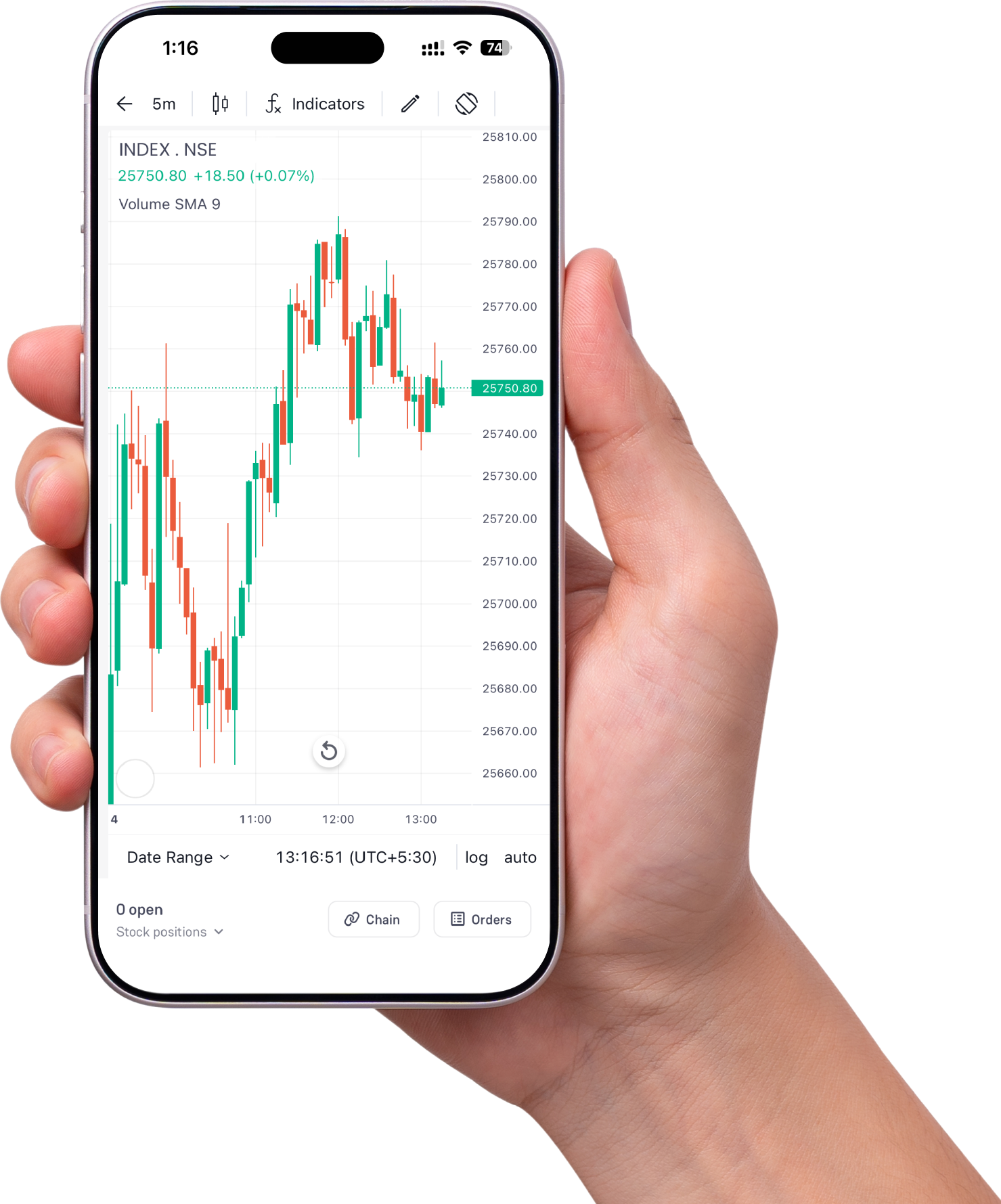
Experience India's seamless trading app with advanced features, intuitive design, and lightning-fast execution.
Unified Portfolio
All Assets, One App
Instant Market Alerts
Live Research, Zero Delay
Seamless Security
Biometric Login for Safe Trading
Actionable Ideas
Pre-built Options Strategies
Based on 27.4K reviews
1M+
Downloads