What is Silver ETF: Is it a Good Investment and How to Invest?
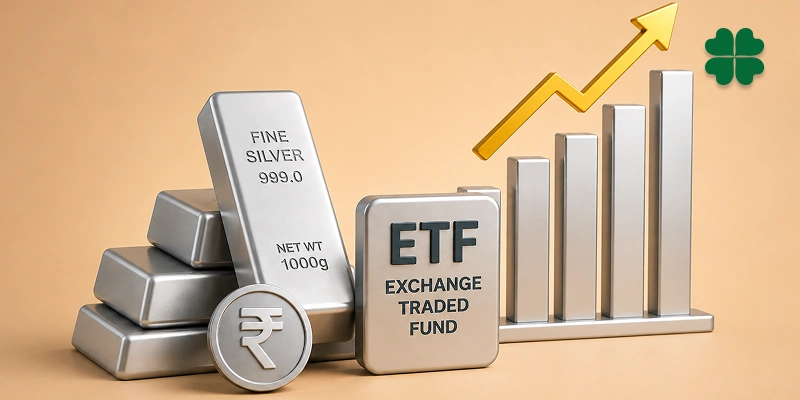
Exchange-traded funds (ETFs) are one of the most popular investment funds you can choose if you don’t want to purchase the asset directly from the market. You can find the different types of ETFs traded on the exchanges, like Equity ETF, Debt ETF, Hybrid-funds ETF and Precious Metal-based ETF. Gold and Silver ETFs are the popular ones people choose to invest in, who are not interested in buying the physical gold or silver from the market. Silver ETF is one of them that we are going to talk about in this article. Let’s find out how a silver ETF works, whether it is good to invest and how to invest in a silver ETF in India.
What is Silver ETF?
Silver ETF or exchange-traded fund is a type of mutual fund that tracks the price of domestic physical silver trading in the market. This fund is invested in physical silver with 99.9% purity (as per market standards), allowing the investors to invest indirectly in silver through ETFs without holding this metal physically.
How Silver ETF Works?
The price of silver reflects the fluctuations in the NAV of silver ETF as per the change in the price of physical silver in the commodity market. The fund houses purchase the physical silver and keep it in a secure vault and comply with all the rules and norms regulated by the SEBI in India.
Additional Read: How to Invest in Silver ETFs?
The fund managers have to invest at least 95% of the corpus in silver and silver-linked instruments and list the ETFs on recognised stock exchanges in India. Just like other ETFs, silver ETFs also trade on the exchanges and investors can buy or sell these ETFs through their broker during market hours.
Top Features of Silver ETFs
Just like Gold ETF, Silver ETF is also loaded with various features giving reasons to invest in this precious metal. Let’s find out why investors also chose this as another investment avenue or included it in their portfolio.
- Highest Purity: The physical silver bought by fund houses is typically 99.99% pure; hence, investing in such ETFs ensures that you are investing in a genuine silver without worrying about purity.
- Safe Storage: The silver is stored in safe vaults with custodians, hence investing in silver ETF is one of the safest ways to invest in silver.
- No Storage Cost: The purchase, transportation and storage of physical silver are managed by the fund houses who also incur the cost of storage. You don’t need to worry about the storage of this metal, though these costs are indirectly included in the expense ratio.
- Hedge Against Inflation: Investing in such metals also guards your investment against inflation. During the financial crisis, investing in such precious metals can secure your investment returns.
- Diversify Portfolio: Apart from investing in equities, bonds, real estate and other assets, buying such precious metals diversifies your investment portfolio, which also reduces the risk of volatility in the market.
Is Silver ETF a Good Investment?
Investing in a silver ETF could be a good decision as it can provide another option to diversify your investment portfolio with high liquidity in the market. You don’t need to worry about the cost, storage and purity of this metal. However, there are few points you need to consider while investing in the Silver ETF, let’s find out.
Things to Consider While Buying Silver ETF in India:
- Risk Appetite: Owing to investment exposure in the global market and various economic factors like demand or supply of this metal, the price of silver ETF also fluctuates in the market.
- Expenses Ratio: The expense ratio, including annual fees or other charges by the fund houses, can affect the overall returns of investing in silver ETFs. Higher expense ratio means less return.
- Tracking Error: This is the difference between the performance of the silver ETF and the underlying silver index, which shows the efficiency of tracking the silver prices. The ETF with minimal tracking error shows high efficiency.
- Taxation: Just like other assets, the returns gained from investing in the silver ETF attracts short term capital gains if liquidated within 36 months. And it will be considered as long-term capital gains if you hold your investment for more than 36 months.
Silver ETFs Investment Pros and Cons
Every investment avenue comes with its own drawbacks and benefits, silver ETFs possess certain risks and positive factors. Before you invest in such funds, you need to understand the advantages and disadvantages of silver ETFs to make the right investment decision as per your risk appetite.
Also Read: Silver ETF vs Physical Silver: Which is Better for Indian Investors
Advantages of Silver ETF:
Investing in silver ETFs comes with various benefits, giving an opportunity to investors to take advantage of investing their money into such metals with the following benefits.
- In Demand: After Gold, silver is the second most demanded precious metal in the commodity market. Its global demand is rising due to an increase in physical consumption of silver in the various industrial sectors.
- Purity & Transparency: When you invest in a Silver ETF, it means you are investing into 99.99% pure silver with the high level of transparency due to guidelines regulated by the SEBI.
- High Liquidity: You can buy or sell the silver ETF on the stock exchanges, making it a highly liquid asset with real-time trading opportunities as per changes in the price of silver in the commodity trading.
- Cost-Effective: Investing in silver ETF is more cost-effective and safer compared to buying physical silver coins or silver bars. You don’t need to incur any storage cost, which is the responsibility of the fund house.
- Portfolio Diversification: Adding commodity as an asset in your investment helps to diversify your portfolio, reducing the risk of market volatility improves the overall return of your investment.
Disadvantages of Silver ETF:
On the other hand, there are various risk factors, or you can say the drawbacks of investing in the silver ETF, making it a less attractive choice among a few investors. Let’s find out.
- Price Fluctuation: The demand for physical silver along with trading in commodity derivatives market makes it one of the volatile investments. The fluctuation in the price of silver also has the same impact on the silver ETF.
- Error in Tracking: The price of silver ETF includes management fees, expenses, and transaction costs which can cause it to deviate from the spot price of silver, resulting in a tracking error.
- Taxability: The returns earned from silver ETF are taxable as STCG if sold within three years and LTCG if you sell your silver ETFs after three years as per the slab rates applicable.
- Lack of Physical Possession: When you invest in silver ETFs, you hold your investment in digital form rather than physical silver. You cannot take the delivery of the metal, which may create a sense of not physically owning the asset.
Open your Demat account Today!
How to Invest in Silver ETF?
To invest in Silver ETF in India, you need to open a demat account and trading account with a broker providing an online trading platform to buy such ETFs and other assets traded on the stock exchanges. Once you have an online trading account, you can directly buy or sell the silver ETFs online from the secondary markets. However, before you invest in such assets or buy silver ETF, check the liquidity of the asset, the minimum amount required to start the investment and the cost of investment. A right decision with the right investment strategy can make your investment decision a profitable journey.
Conclusion
Silver ETFs are just like other exchange traded funds offered to investors to indirectly invest in silver without the hassle of holding the silver in physical form. The fund houses invest the fund into the physical silver stored with custodians and sell the ETFs to investors.
The funds of silver ETFs are invested into 99.99% pure silver free from any storage cost. Investing in a silver ETF can be a good investment with the high liquidity in the market, providing a hedge against inflation and investment in other assets. While the high price fluctuation, tracking error and taxability are the risk factors, you need to consider while making any investment in silver ETFs in India.
Quick Links
| MCX Silver Trading | How to Invest in Silver ETFs | Silver Futures Trading |
| Top ETFs In India | What is Bullion? | What are Equity ETFs? |
Frequently Asked Questions (FAQs)
What is a Silver ETF and how does it work?
A Silver Exchange Traded Fund (ETF) is a financial instrument that tracks the domestic price of physical silver. When you buy a unit of a Silver ETF, you are essentially buying a “digital” representation of silver (99.9% purity) stored in secure, regulated vaults. One unit of an ETF typically represents 1 gram of silver, making it easy to invest small amounts.
Is it better to buy physical silver or a Silver ETF in 2026?
For most modern investors, Silver ETFs are superior for two reasons:
- Liquidity: You can sell ETF units instantly on the stock exchange during market hours, whereas selling physical silver coins or bars often involves a “buy-back” haircut or purity testing.
- Safety: ETFs eliminate the risk of theft and the cost of bank lockers. However, if you want silver for traditional purposes (gifting or weddings), physical silver remains the only choice.
How are Silver ETFs taxed in India as of April 2026?
Under the latest tax laws, Silver ETFs are treated as capital assets:
- Short-Term (Held < 12 months): Gains are added to your income and taxed as per your individual tax slab.
- Long-Term (Held > 12 months): Gains are taxed at 12.5% without indexation. This is a significant advantage over physical silver, which requires a 2-year holding period to be considered “Long-Term.”
What is the new SEBI “Domestic Valuation” rule for Silver ETFs?
Effective April 1, 2026, SEBI mandated that all Silver ETFs must be valued using polled domestic spot prices from Indian exchanges (like MCX) instead of international London (LBMA) prices. For you, this means the price you see on your app more accurately reflects the actual price of silver in India, reducing “tracking errors” and price mismatches.
Why is Silver considered a good “tactical” investment right now?
In 2026, silver is no longer just a precious metal; it is a critical industrial metal. Its massive use in solar panels, 5G technology, and AI infrastructure has created a supply-demand deficit. While it is more volatile than gold, it often offers higher percentage returns during industrial booms.
Can I convert my Silver ETF units into physical silver?
Technically, yes, but only for large quantities. Most fund houses allow physical redemption only if you hold units equivalent to a “Creation Unit Size” (typically 5kg to 30kg of silver). For retail investors, ETFs are designed to be settled in cash through your trading account.
What are the risks of investing in Silver ETFs?
The primary risk is Price Volatility. Silver is “thinner” and more volatile than the gold market; it can drop 5-10% in a single week. Additionally, you pay a small Expense Ratio (usually 0.40% to 0.60% per year) to the fund house for managing and storing the silver.